Troubleshooting · 7 minute read
Why Is My AC Bill So High? The 6 Things I Check First
 By Mike Sullivan · HVAC contractor since 1993
Reviewed
Here's something I learned early in this trade: an air conditioner almost never dies all at once. It fades. It gets a little weaker every summer — and your electric bill quietly picks up the slack.
So when a homeowner tells me "my bill jumped and nothing changed," something changed. We just haven't found it yet. Here's my checklist, in the order I actually run it.
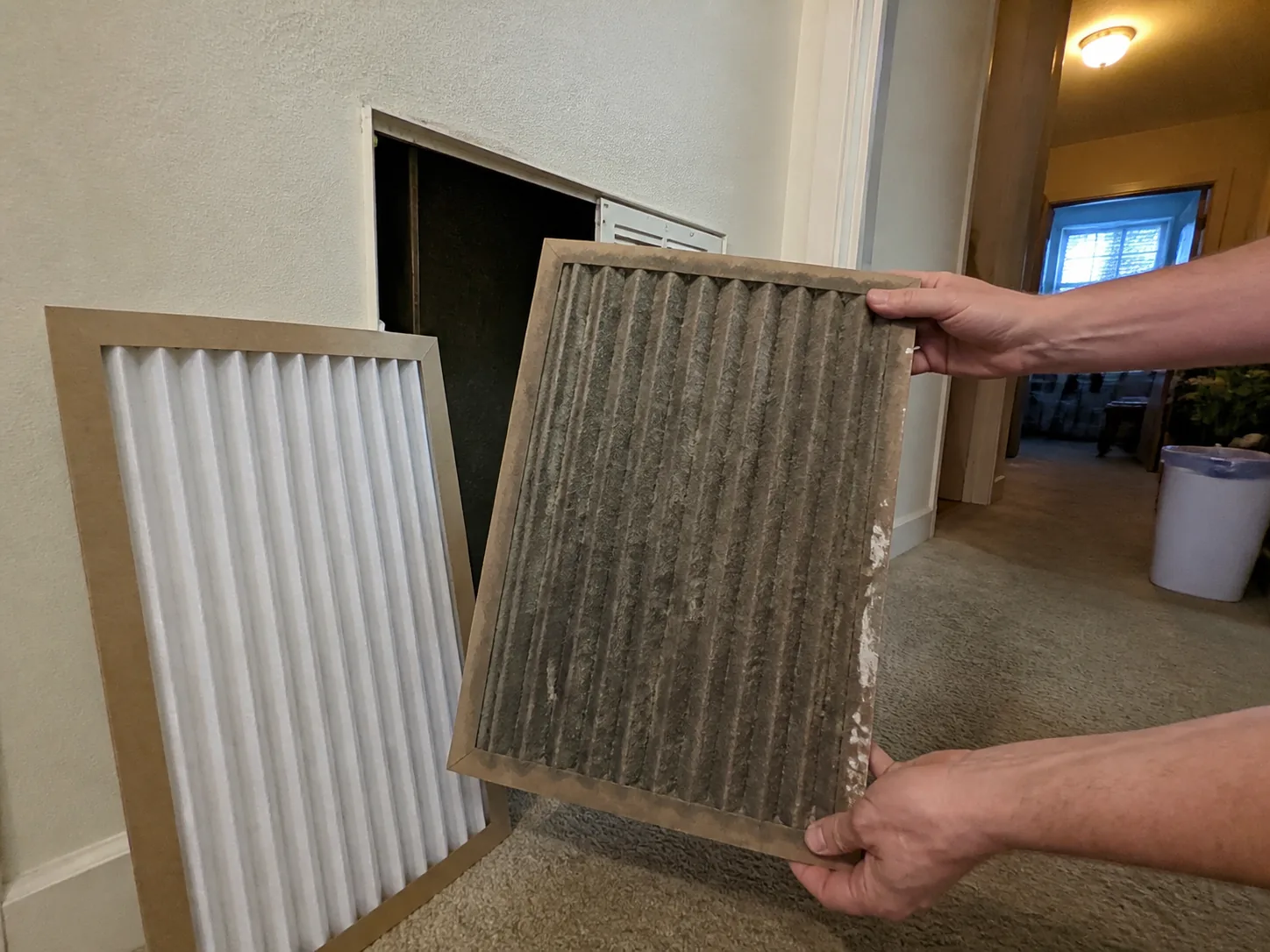
1. A dirty filter (the $10 fix to do today)
A clogged filter chokes your airflow. The system runs longer to do the same job, and longer run time is exactly what your bill measures. Check it this afternoon. If you can't see light through it, swap it. This one's free minus the $10 filter, and you'd be amazed how often it's the answer.
2. Dirty outdoor coils
Your outdoor unit sheds heat through those thin metal fins. Coat them in cottonwood fluff, grass clippings and dust, and the unit can't breathe. Kill the power at the disconnect, then rinse the fins gently with a garden hose — top to bottom, not a pressure washer. Ten minutes, real savings.
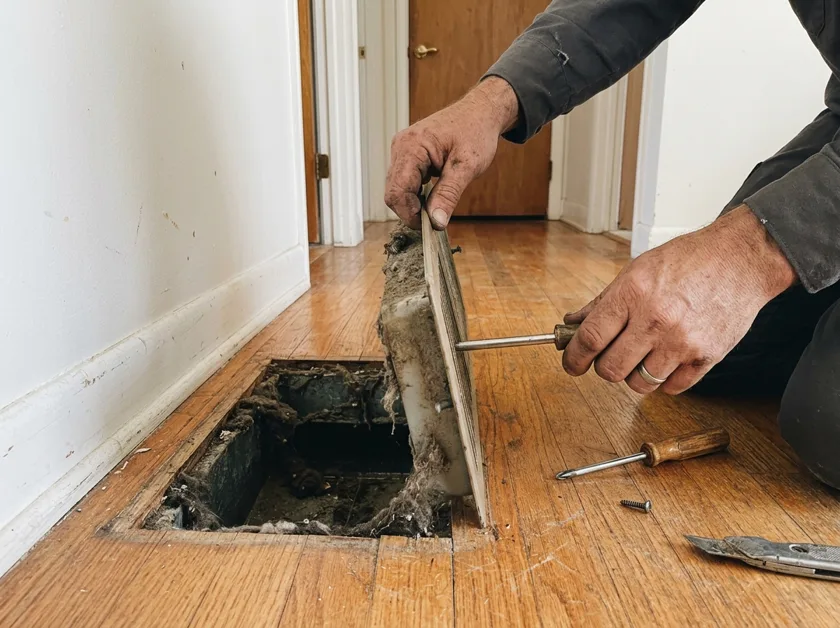
3. Leaky ducts (the silent thief)
The average duct system leaks a meaningful chunk of the air you paid to cool into your attic or crawl space. You cool the spiders, and your bill shows it. Telltale signs: some rooms never get cool, and your attic feels weirdly less brutal than the neighbors'. Sealing ducts is not glamorous work, but it's some of the best money-per-dollar in this trade.
4. Low refrigerant
Refrigerant doesn't get "used up" — if it's low, it leaked. A low system runs constantly and cools poorly. This one needs a tech with gauges. And a warning from an old-timer: anyone who just "tops it off" every summer without finding the leak is selling you the same repair forever.
5. Thermostat habits and placement
A thermostat baking in afternoon sun, or sitting above a lamp, lies to the system all day. And big swings — cranking it way down, then way up — cost more than picking a temperature and holding steady-ish. A basic programmable thermostat set sensibly beats an expensive smart one used badly.
6. The system is just old
Here's the honest one. Efficiency standards have climbed a long way. A tired 15-year-old system can use dramatically more electricity than a modern one to do the same job — while a weakening compressor drags even more. At some point, every dollar into the old unit is a dollar you'll never see again.
Want to know what that math looks like for your house? I'll match you with licensed local installers who'll price a modern high-efficiency system — free, no strings.
Show Me My Replacement Numbers →Free · about 60 seconds · no obligation
What each fix typically costs
| Fix | Typical cost | Bill impact |
|---|---|---|
| New filter | $10–$25 | Small but instant |
| Coil cleaning | Free (DIY) or $100–$250 | Noticeable on neglected units |
| Duct sealing | $500–$2,500 | Big in leaky homes |
| Leak repair + recharge | $400–$1,500+ | Big if it was low |
| Full replacement | See my cost guide | Biggest long-term drop |
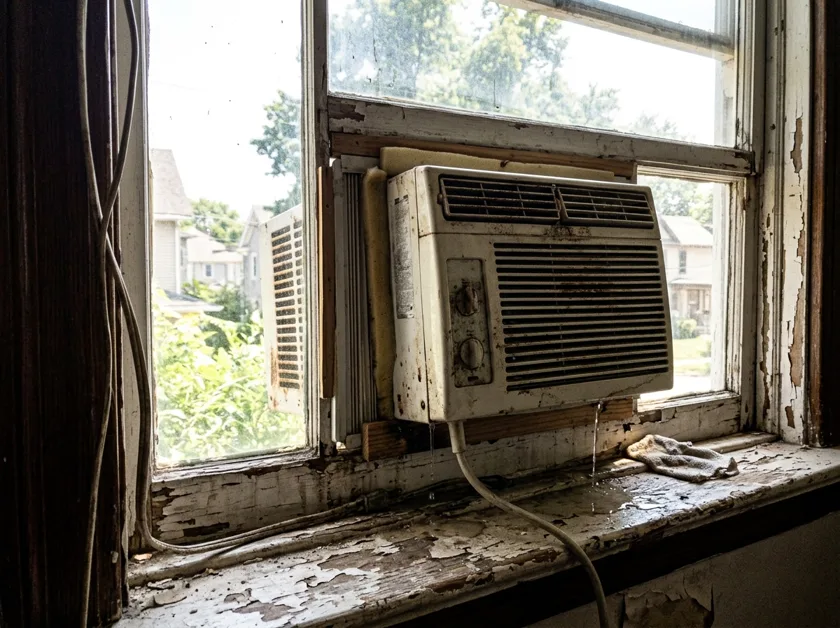
One more thing: if your "AC" is actually an ancient window unit wheezing in the frame, no checklist saves it. I keep a picture of one in my shop as a reminder of what we're all trying to avoid.
A quick reality check: A high bill can also reflect hotter weather or a utility-rate change. Compare usage—not just dollars—with the same month last year before blaming the equipment. Our editorial standards explain how cost and safety guidance is handled.
Tired of paying the old unit's bar tab?
See what a modern system would run for your home.
Licensed & insured local installers only. No pressure — compare and decide on your own time.